
Rethinking saving for the middle class
Introduction
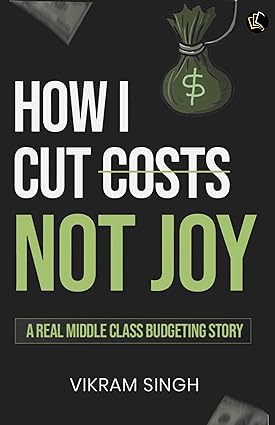
For many people, especially those living on fixed or modest incomes, the idea of saving money often feels restrictive. Traditional advice usually comes with an unspoken rule. Give up comfort. Stop enjoying life. Delay happiness. How I Cut Costs Not Joy offers a very different perspective. It shows that financial stability does not come from sacrifice alone, but from clarity and conscious choices.
This article explores the core ideas behind the book without repeating its content, focusing instead on the mindset shift it encourages and why it resonates so strongly with everyday earners.
The real problem with saving
Most people believe they cannot save because their income is too low. In reality, the bigger challenge is how money quietly slips away through habits that feel harmless. Small conveniences, repeated often, begin to feel necessary. Ordering food instead of cooking. Paying for speed instead of planning. Choosing ease over awareness.
The book challenges the assumption that joy and saving are opposites. It suggests that many expenses do not create happiness at all. They simply reduce friction in the moment while increasing stress later.
Cutting waste instead of comfort
One of the strongest ideas explored is the difference between joy and waste. Joyful spending adds meaning, relaxation, or connection to life. Wasteful spending often happens when we are tired, distracted, or avoiding effort.
By identifying which expenses genuinely improve life and which ones exist only because of routine or procrastination, people can begin saving without feeling deprived. This approach removes guilt from budgeting and replaces it with intention.
Building a system that supports freedom
Saving fails when it relies only on motivation. Motivation fades quickly when life becomes busy. What works instead is a simple system that runs quietly in the background.
The philosophy behind the book emphasizes structure over self control. When saving becomes automatic and spending is planned around values rather than impulses, financial pressure reduces naturally. Over time, this creates breathing room rather than restriction.
Mindset matters more than math
While numbers matter, the deeper transformation happens in thinking. The book highlights how many people associate saving with loss rather than gain. That belief alone makes consistency difficult.
A healthier mindset views saving as protection. Protection from stress. Protection from sudden emergencies. Protection for future choices. When saving is framed as care rather than denial, it becomes easier to maintain.
Why this approach works
This philosophy resonates because it does not ask people to become different versions of themselves. It asks them to become more aware versions of who they already are.
There is no demand for perfection. Only small adjustments. No obsession with spreadsheets. Only clarity about what truly matters. This makes the approach realistic, sustainable, and emotionally manageable.
Conclusion
How I Cut Costs Not Joy represents a shift away from punishment based saving toward conscious living. It reminds readers that financial peace is not created by cutting happiness, but by removing what quietly drains it.
For anyone who feels stuck between wanting stability and wanting to enjoy life, this perspective offers reassurance. You do not need to earn more to feel freer. Sometimes, you only need to choose better.
Read More : Review & Summary : And She Was Never Mine Paperback