
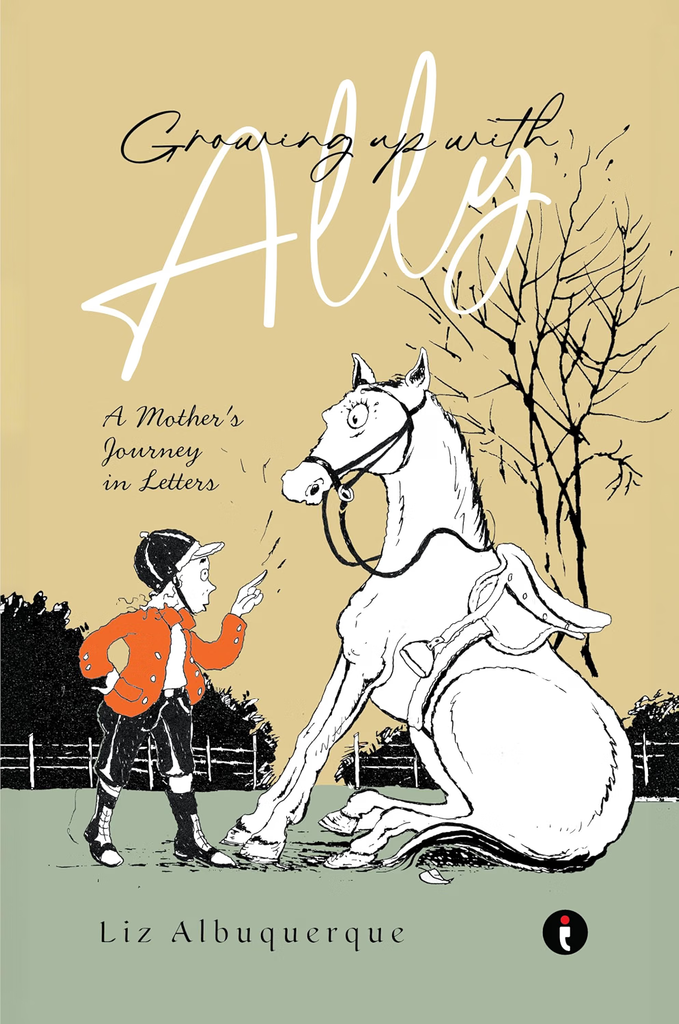
Every child has a unique story, and understanding that story requires looking beyond labels, expectations, and assumptions. Growing Up With Ally: A Mother’s Journey in Letters by Liz Albuquerque is a deeply personal collection of reflections that invites readers into the life of Ally, a young woman whose journey is shaped by individuality, determination, and the support of a loving family.
Written through a mother’s letters, the book offers an intimate perspective on raising a child on the autism spectrum while recognizing everything that makes her who she is beyond her diagnosis. Rather than defining Ally through autism alone, Liz Albuquerque introduces readers to her personality, interests, experiences, and achievements. At its heart, this is a story about seeing a person in their entirety and celebrating the possibilities that emerge when they are understood and supported.
Book Details
| Detail | Information |
|---|---|
| Book Title | Growing Up With Ally: A Mother’s Journey in Letters |
| Author | Liz Albuquerque |
| Genre | Memoir, Parenting, Autism Awareness, Family |
| Language | English |
| Print Length | 247 pages |
| Publication Date | October 14, 2026 |
| Buy the Book | Amazon |
Review of Growing Up With Ally: A Mother’s Journey in Letters
One of the most meaningful aspects of this book is its central idea: readers should meet Ally before they meet the letters. This approach reflects the author’s desire to introduce her daughter as a complete individual rather than allowing a diagnosis to become the defining feature of her identity.
The book draws attention to the importance of understanding individual needs, preferences, communication styles, and personal boundaries. The one-page profiles that Liz created for Ally over the years are a particularly touching detail. Designed to help others understand what Ally enjoys, dislikes, finds interesting, or might find overwhelming, these profiles demonstrate how small acts of understanding can make unfamiliar environments more welcoming.
As the narrative introduces the adult Ally, readers discover a vibrant young woman with her own personality, ambitions, and professional identity. At twenty-eight, she runs her own design studio, Pumpkin Patch. Her experience managing a supportive team, paying professional and income taxes, and handling business responsibilities offers a powerful example of independence and professional achievement.
Another important strength of the book is its perspective on autism. Liz Albuquerque acknowledges that being on the autism spectrum is part of Ally’s story, but firmly resists allowing it to represent her entire identity. This distinction gives the book a thoughtful message about inclusion and individuality. It encourages readers to recognize the person first, appreciate their abilities, and understand that every individual has experiences and aspirations that extend beyond any single label.
The letter-based format also adds an intimate quality to the narrative. Readers are invited to understand Ally through the observations and memories of someone who has known her throughout her life. This personal approach may resonate particularly with parents, caregivers, educators, and families who want to understand neurodiversity through lived experiences rather than assumptions.
Beyond autism awareness, the book explores themes of motherhood, acceptance, personal growth, and the importance of creating environments where individuals can express themselves and develop their potential. Its message is not simply about supporting someone through challenges, but also about recognizing their strengths, celebrating their achievements, and respecting their individuality.
Final Thoughts
Growing Up With Ally: A Mother’s Journey in Letters by Liz Albuquerque is a heartfelt account of motherhood, individuality, and the journey toward independence. Through her letters, the author offers readers a personal introduction to Ally, highlighting her personality, achievements, and life beyond the autism spectrum.
For parents, caregivers, educators, and readers interested in autism awareness and inclusive communities, this book offers an opportunity to reflect on how we understand and support others. Its central message is both simple and important: a diagnosis may be part of someone’s story, but it should never become the whole story.
Read More : Buddha The Executive Coach: Timeless Wisdom for Modern Leaders By Dr. Santoshkumar Phulpagar