
Some books do not seek to entertain with dramatic twists or grand adventures. Instead, they touch the heart by illuminating the quiet acts of love that shape our lives. The God I Cannot Worship by Zubia Sajid is one such book. Through deeply personal reflections and heartfelt storytelling, the author pays tribute to a father whose life was defined by integrity, resilience, discipline, and unconditional devotion to his family.
More than a memoir or family narrative, this book is a universal celebration of fatherhood. It honors the countless fathers whose sacrifices often remain unnoticed, whose love is expressed through actions rather than words, and whose influence continues to guide their families long after individual moments have passed.
For readers who appreciate emotionally resonant stories about family, love, and legacy, The God I Cannot Worship offers a moving and unforgettable reading experience.
Book Details
| Detail | Information |
|---|---|
| Book Title | The God I Cannot Worship |
| Author | Zubia Sajid |
| Genre | Memoir, Family, Inspirational, Personal Growth |
| Language | English |
| Print Length | 72 Pages |
| Publication Date | 20 May 2026 |
| Format | Paperback / Kindle Edition |
| Best For | Readers of inspirational memoirs, family stories, and heartfelt nonfiction |
| Book Link | https://www.amazon.in/dp/B0H2F94PQ7 |
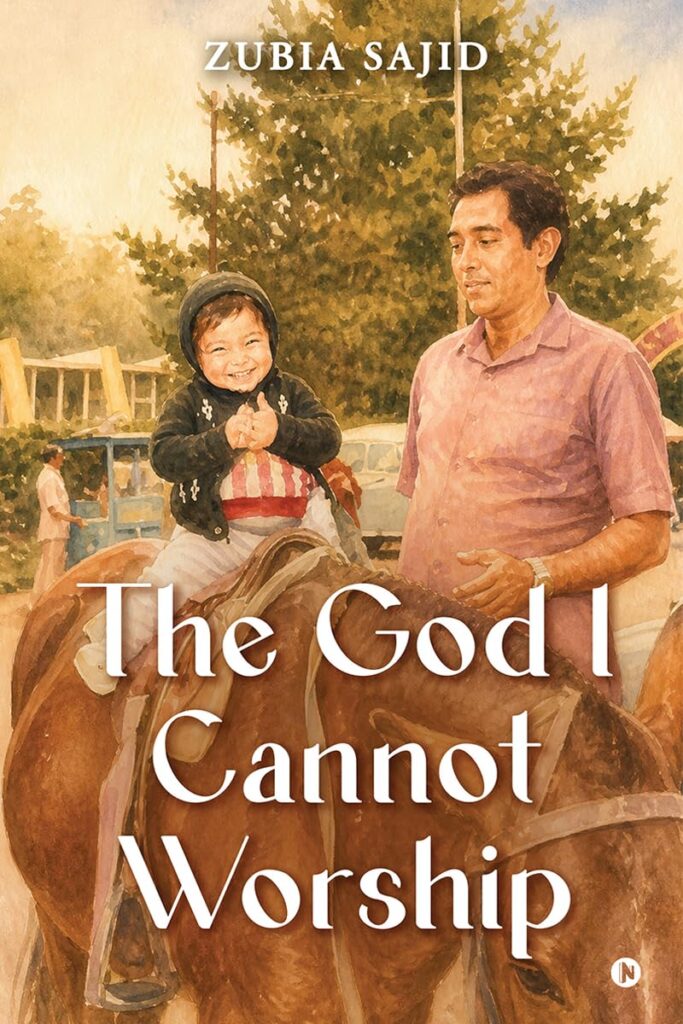
A Tribute to the Silent Strength of Fathers
The central message of The God I Cannot Worship is both simple and profoundly moving.
Society often describes fathers as the backbone of the family, yet rarely pauses to consider what that responsibility truly demands. Through intimate memories and personal reflections, Zubia Sajid explores the quiet strength that defines fatherhood.
The father’s role extends beyond providing financial security. He becomes a protector during uncertainty, a guide through life’s challenges, and a source of unwavering support whose presence often provides stability without demanding recognition.
The book reminds readers that some of the greatest expressions of love are found not in grand declarations but in consistent acts of responsibility and sacrifice.
A Story of Character and Integrity
At the heart of the narrative is the portrait of a man whose life was built on values rather than status.
The author describes a father whose integrity, discipline, compassion, and resilience shaped not only his own family but also the lives of many others. His legacy is measured not by material achievements but by the respect he earned and the values he passed on.
This emphasis on character gives the book a timeless quality.
Readers are encouraged to reflect on the qualities that truly define greatness and the lasting impact of living with honesty and purpose.
Exploring the Unseen Sacrifices of Parenthood
One of the book’s greatest strengths is its focus on the sacrifices that often go unnoticed.
Many parents quietly carry emotional, financial, and personal burdens without seeking recognition. Through personal anecdotes and thoughtful reflection, the author highlights these hidden acts of devotion.
The narrative acknowledges that love is frequently demonstrated through everyday responsibilities, difficult choices, and silent perseverance rather than dramatic gestures.
This perspective creates an emotional connection that many readers will recognize from their own lives.
Memory as a Living Legacy
Throughout the book, memories become more than recollections of the past.
Each story serves as a reminder that the influence of loved ones continues long after individual moments have passed. The voices of family members and those whose lives were touched by the author’s father contribute to a rich and multifaceted portrait of his character.
These shared memories reinforce the idea that a meaningful life is measured by the positive impact one leaves on others.
The result is a tribute that feels deeply personal while remaining universally relatable.
A Universal Reflection on Fatherhood
Although the book tells the story of one individual, its themes extend far beyond a single family.
Readers from different backgrounds can recognize the universal experiences of guidance, protection, sacrifice, and unconditional support that define many father-child relationships.
The book encourages readers to appreciate the often-overlooked emotional contributions fathers make throughout their lives.
Its message is not limited to remembrance but also serves as an invitation to express gratitude while those relationships can still be celebrated.
Writing Style and Reader Experience
Zubia Sajid writes with sincerity, warmth, and emotional authenticity.
The language is simple yet deeply expressive, allowing the emotional weight of the story to emerge naturally. Rather than relying on dramatic storytelling, the author trusts the honesty of lived experience to connect with readers.
At just 72 pages, the book is concise, but its emotional impact extends well beyond its length.
Its reflective tone makes it a book that readers are likely to revisit and share with family members.
Who Should Read This Book
This book is highly recommended for:
- Readers who enjoy memoirs and personal narratives
- Individuals reflecting on family relationships
- Fathers and parents
- Young adults seeking stories about family values
- Readers of inspirational nonfiction
- Anyone looking for a meaningful gift honoring fatherhood
- Book clubs discussing family and personal legacy
Final Review
The God I Cannot Worship is a touching and beautifully written tribute to fatherhood, reminding readers that the greatest acts of love are often the quietest.
Zubia Sajid successfully captures the emotional depth of a father’s influence through heartfelt storytelling, personal memories, and reflections on integrity, sacrifice, and compassion. While rooted in one family’s experience, the book speaks to universal truths about love, gratitude, and the enduring legacy of those who shape our lives through unwavering support.
Its brevity enhances rather than limits its impact, allowing every memory and reflection to resonate with sincerity.
For readers seeking an inspiring and emotionally rich exploration of family, resilience, and unconditional love, The God I Cannot Worship is a deeply rewarding read.