
Leadership is often described through achievements, strategies, and successful outcomes. But behind every important decision are moments of uncertainty, difficult conversations, personal doubts, and responsibilities that are not always visible to others. True leadership is tested not only when things go according to plan but also when people need direction during challenging times.
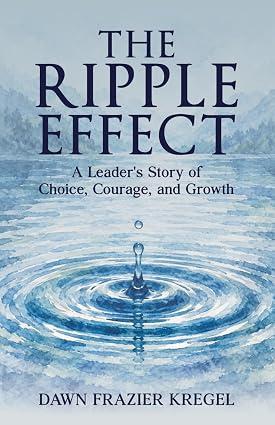
The Ripple Effect: A Leader’s Story of Choice, Courage, and Growth by Dr. Dawn Frazier Kregel offers a thoughtful look at this human side of leadership. Drawing on more than three decades of healthcare leadership experience, the author shares reflections and real-life experiences from organizational transitions, crises, mentorship, and difficult decisions. Rather than presenting leadership as a collection of perfect strategies, the book explores how everyday choices, values, and interactions shape people and workplace cultures.
Book Details
| Detail | Information |
|---|---|
| Book Title | The Ripple Effect: A Leader’s Story of Choice, Courage, and Growth |
| Author | Dawn Frazier Kregel |
| Language | English |
| Print Length | 186 pages |
| Publication Date | October 12, 2026 |
| Genre | Leadership, Management, Personal Growth |
| Amazon Link | View on Amazon |
Review of The Ripple Effect: A Leader’s Story of Choice, Courage, and Growth
One of the most meaningful aspects of The Ripple Effect is its emphasis on the human responsibility that comes with leadership. Managing operations and meeting organizational goals are important, but leading people requires something more: emotional awareness, integrity, empathy, and the willingness to make difficult choices even when the outcome is uncertain.
Dr. Kregel draws from her extensive healthcare leadership experience to explore situations involving organizational instability, cultural challenges, interim leadership assignments, and moments of personal doubt. These experiences offer readers a perspective on what leadership looks like beyond titles and formal authority. The book recognises that leaders do not always have immediate answers, yet their teams still depend on them for clarity, reassurance, and direction.
Another important theme is the relationship between transparency and trust. The book highlights how silence within an organization can sometimes indicate deeper problems rather than stability. It encourages leaders to pay attention to what is not being said, communicate openly, and create environments where people feel comfortable raising concerns. This is particularly relevant in workplaces where uncertainty and organizational change can easily affect morale.
The discussion of accountability and compassion is equally valuable. Leadership often involves difficult decisions, but being responsible does not require becoming disconnected from the people affected by those decisions. The author explores how leaders can maintain standards while remaining considerate, approachable, and fair. This balance is essential for building relationships that support long-term organizational growth.
Mentorship and collaboration add another meaningful dimension to the book. Strong leadership is not simply about individual performance; it is also about developing others and preparing future leaders. By encouraging mentorship, shared responsibility, and meaningful professional relationships, the book presents leadership as something that creates opportunities beyond an individual’s own career.
What makes the book particularly relatable is its acceptance of imperfect leadership. Personal doubts, difficult conversations, and mistakes are not necessarily signs of failure. They can become important opportunities for reflection and growth. The central ripple effect metaphor brings these ideas together, reminding readers that a leader’s words, decisions, and actions can influence people and organizational culture long after a particular moment has passed.
Final Thoughts
The Ripple Effect is a thoughtful read for emerging leaders, experienced executives, healthcare professionals, and anyone responsible for guiding people through change. Its greatest strength lies in presenting leadership as a deeply human responsibility rather than simply a position of authority.
Dr. Dawn Frazier Kregel reminds readers that meaningful leadership is built through everyday choices: showing integrity, communicating with clarity, accepting accountability, supporting others, and having the courage to act when circumstances are difficult. It is a valuable perspective for anyone who wants to understand not just how to lead, but how their leadership affects the people around them.