
Organizations generate enormous amounts of information every day. Performance dashboards, employee surveys, productivity reports, and business metrics help leaders understand what is happening within their teams. Yet having access to more data does not necessarily mean having a clear understanding of what comes next. Sometimes, the most important changes begin quietly, long before they appear in official reports.
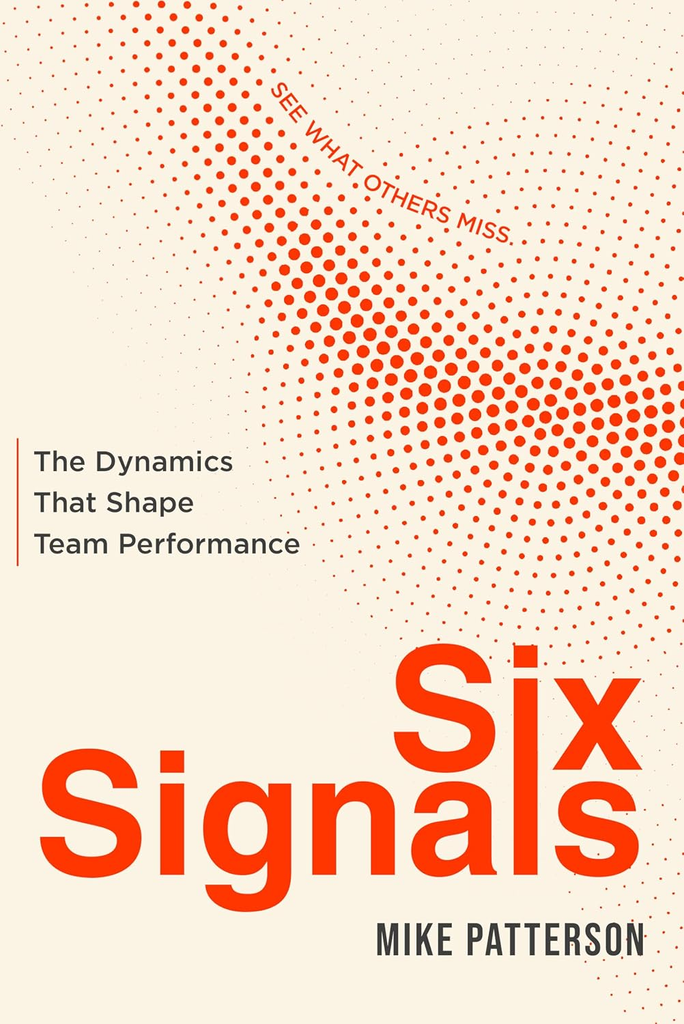
Six Signals: The Dynamics That Shape Team Performance by Dr. Mike Patterson explores how leaders can recognise these early signs and use them to influence organizational outcomes. Rather than focusing exclusively on traditional performance metrics, the book introduces six interconnected dynamics that reveal the underlying health and future direction of a team. It encourages leaders to look beyond visible results and pay attention to the conversations, behaviours, relationships, and experiences shaping everyday performance.
Book Details
| Detail | Information |
|---|---|
| Book Title | Six Signals: The Dynamics That Shape Team Performance |
| Author | Dr. Mike Patterson |
| Language | English |
| Print Length | 263 pages |
| Publication Date | October 29, 2026 |
| Genre | Leadership, Management, Team Performance |
| Amazon Link | View on Amazon |
Review of Six Signals: The Dynamics That Shape Team Performance
The central idea behind Six Signals is that team performance rarely changes without warning. Before declining productivity, disengagement, or organizational instability becomes visible, smaller signs often begin appearing in everyday workplace interactions. Employees may become less comfortable sharing concerns, decisions may repeatedly change direction, or talented individuals may gradually withdraw from collaboration. The challenge for leaders is learning to recognise these patterns before they turn into larger problems.
Dr. Mike Patterson introduces six dynamics that help leaders understand these developments: Alignment, Trust, Progress, Fit, Sustainability, and Lived Experience. Together, these signals provide a broader perspective on team performance than conventional measurements alone.
Alignment focuses on whether people understand the organization’s direction and whether their everyday decisions support shared priorities. Trust examines the quality of relationships within teams and whether individuals feel comfortable communicating openly. Progress considers whether meaningful movement is taking place rather than simply measuring activity. These dynamics encourage leaders to look beyond completed tasks and examine the conditions that make effective collaboration possible.
The remaining signals add equally important dimensions. Fit explores how well people, responsibilities, and organizational expectations work together. Sustainability draws attention to whether performance can be maintained over time or is being achieved at the expense of employee wellbeing. Lived Experience focuses on how people actually experience their workplace, recognising that official policies and performance reports may not always reflect everyday realities.
One of the book’s most relevant contributions is its emphasis on early recognition. Traditional performance indicators often describe outcomes after they have occurred. By contrast, the six signals encourage leaders to notice developing patterns while there is still an opportunity to respond. This shift can help managers approach challenges more thoughtfully, ask better questions, and make adjustments before small concerns become organizational obstacles.
The book also challenges the assumption that strong performance is simply a matter of productivity and measurable results. A team may consistently meet its targets while experiencing declining trust, growing exhaustion, or weakening relationships. Recognising these less visible factors is essential for building an environment where people can perform effectively over the long term.
Final Thoughts
Six Signals: The Dynamics That Shape Team Performance is a relevant read for business leaders, managers, HR professionals, and anyone responsible for developing effective teams. Its central framework encourages a more attentive approach to leadership, one that considers not only what teams achieve but also the underlying conditions influencing those achievements.
Dr. Mike Patterson presents an important reminder: organizational challenges often become visible through small signals before they appear in final results. Leaders who learn to recognise these signs can respond earlier, strengthen workplace relationships, and create better conditions for sustainable performance.
For readers interested in understanding team dynamics and developing a more forward-looking approach to leadership, this book offers a valuable perspective.